Singapore Perishable Food Cargo Insurance
Singapore perishable food cargo insurance for F&B importers. SFA acceptance, reefer evidence, halal segregation, and temperature claims.
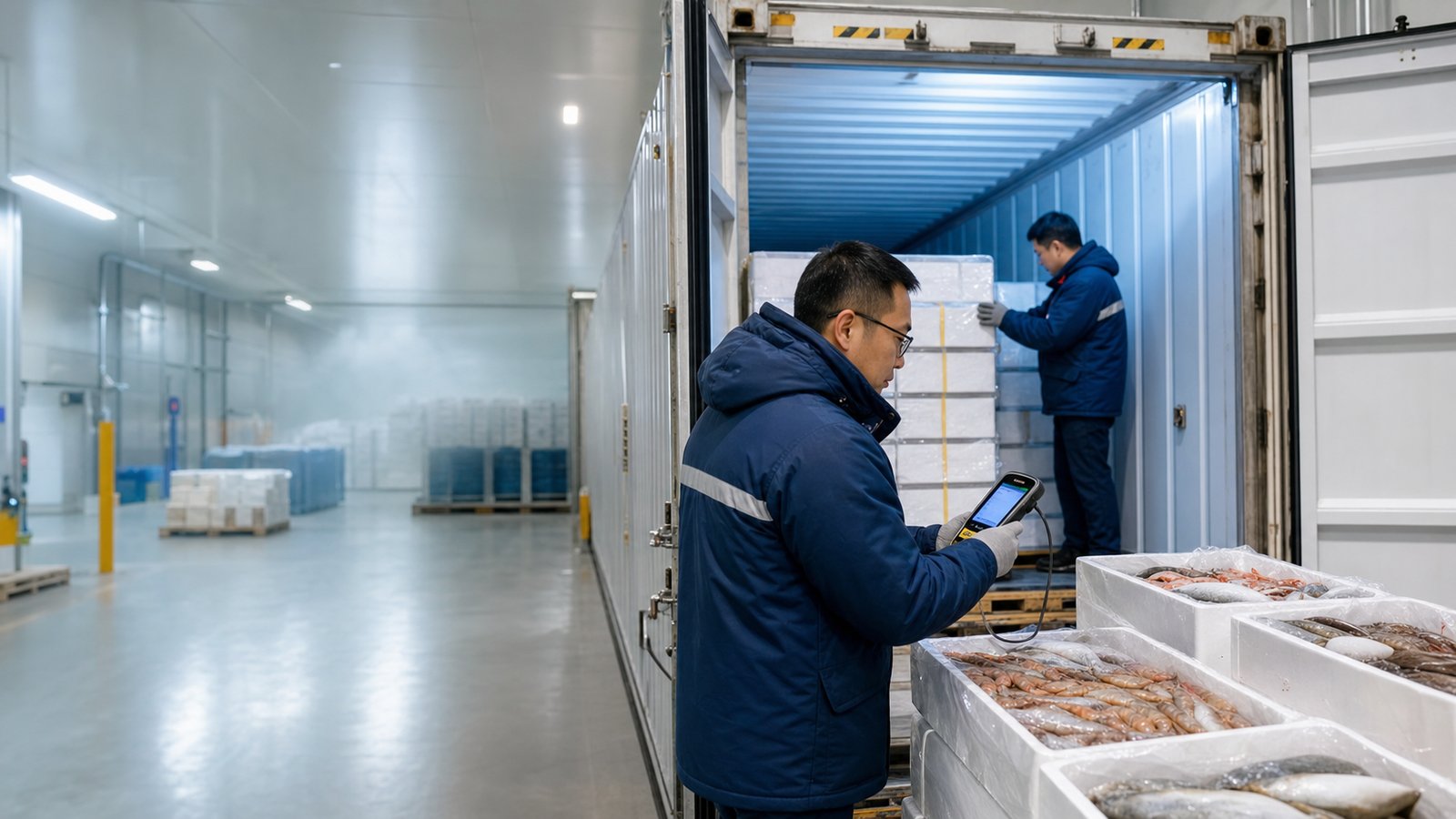
Singapore Perishable Food Cargo Insurance
Does cargo insurance cover a rejected chilled or frozen food shipment in Singapore? It can cover insured physical loss or damage, such as temperature damage caused by a covered transit event, but it usually does not cover a pure regulatory rejection where the goods are not physically damaged.
That distinction matters because Singapore food importers operate under SFA rules, buyer acceptance standards, and cold-chain proof demands at the same time. A cargo claim only works when the evidence shows what happened to the goods, not just that the buyer or regulator refused them.
The Acceptance Question
Before arguing about rejection, separate three files: food-safety compliance, buyer specification, and insured physical condition during transit.
Key Facts: Singapore F&B Cold Chain Cover
What is Singapore perishable food cargo insurance? It is marine cargo cover for chilled, frozen, or temperature-sensitive food imports moving into Singapore by sea, air, or land. The cargo file must show the condition of the goods, the temperature record, and the handoff chain.
What does SFA require from food importers? Singapore Food Agency reporting states that Singapore imports more than 90% of its food supply and uses source accreditation for higher-risk foods such as livestock, meat, and eggs. Import permits and product-specific documents sit beside the cargo insurance file.
What is the cold-chain evidence standard? The importer should keep reefer downloads, set-point instructions, plug-in records, air waybill or sea waybill data, inspection records, photos, and buyer temperature readings. Without a continuous temperature story, a temperature claim is weak.
What is different from pharma cold chain? F&B claims turn on food safety, spoilage, contamination, buyer specification, SFA import requirements, and in some cases halal segregation. Pharma claims turn on GDP, validated lanes, and medicinal product handling.
Singapore's Perishable Food Profile
Singapore is structurally import-dependent for food. SFA's Singapore Food Statistics 2024 says the country imports more than 90% of its food supply from 187 countries and regions. That makes food logistics a regular insurance problem, not an occasional exception.
The import pool covers meat, seafood, dairy, fruit, vegetables, processed food, confectionery, frozen meals, and halal products. For F&B importers with repeat shipments, the right structure is usually marine cargo open cover, supported by food-specific declaration and claim procedures.
The industry overlap is food, beverage and halal exports cargo insurance, even when the immediate flow is import rather than export. The same spoilage, contamination, and segregation proof issues travel both directions.
Reefer, Active Container, or Air Freight
| Mode | Best fit | Claim evidence |
|---|---|---|
| Reefer container | Frozen and chilled sea freight with stable volume | Set point, reefer download, plug-in history, pre-trip inspection |
| Active temperature-controlled container | High-value or tightly controlled chilled cargo | Device logs, lane validation, handoff records, alarm history |
| Air freight with cool-chain service | Short shelf life or urgent replenishment cargo | AWB, temperature logger, tarmac exposure notes, cold-room records |
| Insulated passive packaging | Short-duration movements with controlled packaging | Pack-out record, gel pack or dry ice record, logger data |
The product choice should follow shelf life and claim evidence. If the importer cannot prove the temperature path, even a strong insurance file will struggle.
SFA Acceptance Is Not the Same as Cargo Cover
SFA regulates food safety and import requirements. Cargo insurance responds to insured physical loss or damage. A shipment can fail an import or buyer acceptance step for documentation, source accreditation, lab result, labelling, or permit reasons without the cargo being damaged.
For seafood, meat, and other higher-risk foods, SFA and Singapore Customs guidance refers to import licences, permits, and health certificates depending on product category. That paperwork should be filed with the insurance record because the same incident often triggers both regulatory and cargo questions.
For agricultural products where certification documents also matter, compare phytosanitary certificate requirements. For halal-sensitive products, the related Singapore and Malaysia trade corridor overlaps with JAKIM halal certification export markets.
Halal and Non-Halal Segregation Issues
Singapore halal certification sits with MUIS. Importers who carry halal and non-halal products in the same logistics chain need clear packing, labelling, storage, and cleaning records. A halal issue is not automatically a cargo-damage claim, but contamination or mishandling that causes physical damage or loss of sale condition may create an insurance question.
The key is separation of evidence. Keep halal certificates and supplier declarations in the compliance file. Keep temperature, contamination, and physical-condition proof in the cargo file. When a dispute touches both, the two files should match rather than contradict each other.
Common Claim Scenarios
The first claim is reefer malfunction. The container set point is correct at origin, but the reefer loses power during yard dwell or records a sustained temperature deviation. The cargo owner needs the download and a product assessment showing spoilage or loss of safe condition.
The second is tarmac or apron exposure for air cargo. Short breaks can matter for chilled seafood, dairy, and fresh products. The importer needs airline handling records, terminal cold-room entry times, and logger data.
The third is contamination. Odour, leakage, cross-contact, or broken packaging can move the claim from simple rejection to physical damage, if the evidence shows the product condition changed during transit.
The fourth is buyer specification rejection. If the cargo is undamaged but outside a private buyer specification, standard marine cargo cover may not pay. The importer should address that risk in sale terms and supplier contracts.
Open Cover Settings for F&B Importers
A Singapore F&B importer should set open-cover limits around peak container values, highest-risk origins, and the largest reefer aggregation. The policy should list perishable goods accurately, not hide them under a generic "general merchandise" description.
For importers who carry stock through cold rooms before sale, compare marine open cover with stock throughput insurance. If stock values sit in Singapore cold storage after transit ends, transit-only cover may not be enough.
For smaller or seasonal importers, open cover vs single shipment is the decision point.
Request the F&B cold chain documentation checklist.
Send Voyage your product category, origin, temperature range, and annual shipment count. We will map the cold-chain documents that support a Singapore F&B cargo claim, separate from SFA and buyer acceptance files.
WhatsApp Kevin at +60 14 925 5243 or request a callback.
Frequently Asked Questions
Does cargo insurance cover SFA rejection?
Not by itself. If SFA rejection is based on documents or regulatory status without physical cargo damage, a standard cargo policy usually does not pay. If the rejection follows insured temperature damage, the claim may be different.
What temperature evidence do insurers expect?
Insurers expect logger data, reefer downloads, set-point instructions, plug-in records, inspection photos, and a product assessment that links the temperature event to the loss.
Is active container cover different from reefer cover?
The cargo policy may be the same, but the evidence differs. Active containers produce device records and alarm logs, while reefers rely on controller downloads and terminal plug-in history.
Does halal segregation failure trigger cargo insurance?
Only where the event causes insured physical loss or damage or a covered contamination event. A certificate or process failure alone is usually a compliance issue.
Should F&B importers use open cover?
Regular importers usually should consider open cover because declarations, limits, and claim workflows are easier across repeated shipments. Occasional importers can use single-shipment cover.
What is the first action after discovering temperature damage?
Stop moving or selling the affected cargo, preserve logger and reefer data, notify the insurer, appoint a surveyor, and keep all cold-chain records intact.
Insuring Singapore Perishable Food Imports with Voyage
Perishable food claims turn on cold-chain proof, not sympathy for spoiled cargo. Voyage can help Singapore F&B importers place marine cargo open cover that matches reefer, active-container, and air-cargo evidence for food shipments.
Get a tailored quote. WhatsApp Kevin at +60 14 925 5243 or request a callback. Quotes turn around in 24-48 hours where the underlying cover is in place.
Disclaimer: This article provides general guidance on Singapore perishable food cargo insurance as of May 2026. Coverage terms, conditions, and availability vary by insurer, policy, and jurisdiction. Always review your specific policy wording and consult a qualified insurance professional before making coverage decisions.
Why Voyage
Marine Insurance Specialists
International Underwriter Access
Both Sides of the Supply Chain
Malaysia and Singapore Expertise
Other industries
Explore other industries we cover


Get Best Rates / Quotation

Voyage is a specialist marine insurance intermediary arranging marine cargo and marine liability coverage for businesses in Malaysia, Singapore, and internationally. All insurance is placed through licensed broking partners.
Riskflow Sdn Bhd (202101001225):
Suite 3.19 (North Block), The Ampwalk, 218 Jalan Ampang, 50450 Kuala Lumpur, Wilayah Persekutuan Kuala Lumpur
t: +60149255243 (Kevin H.)
email: kevin@voyagecover.com