Sarawak Pepper Cargo Insurance
Sarawak pepper cargo insurance for white pepper, black pepper, and spices. Moisture, mould, theft, consolidation, phytosanitary, and buyer evidence.
Sarawak Pepper Cargo Insurance
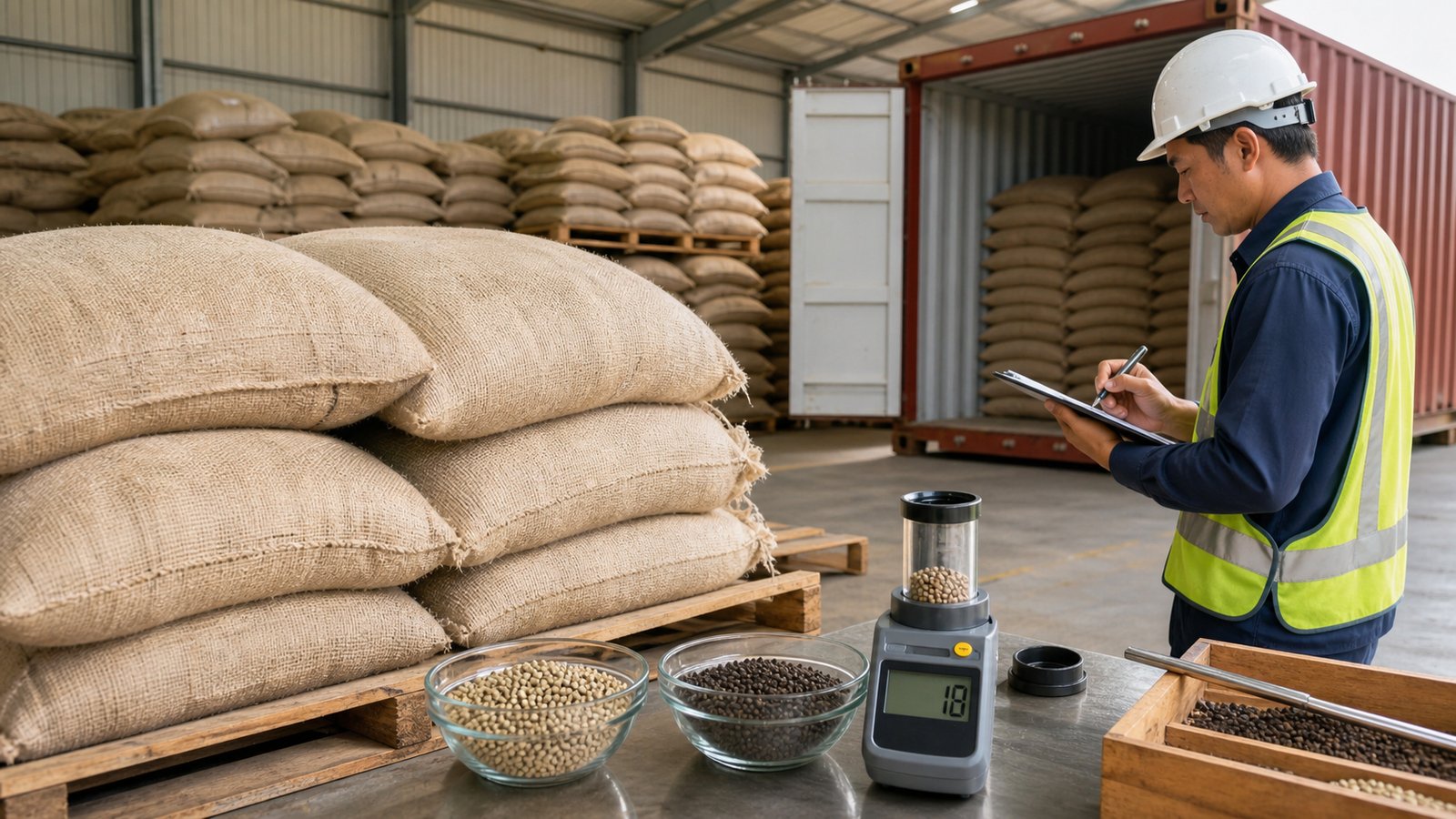
Sarawak pepper is often marketed as a premium origin story. Cargo claims are less romantic. They turn on moisture, mould, odour, infestation, theft, consolidation records, buyer specifications, and whether the export file proves condition before loading.
White pepper, black pepper, sago, and specialty spices are dry cargoes, but "dry" does not mean low risk. A small moisture shift or missing tally can turn a premium shipment into a disputed invoice.
The Moisture and Theft Question
For Sarawak pepper exports, decide how the exporter will prove dry condition, clean packing, and intact custody before the container leaves Kuching or another consolidation point.
Key Facts: Sarawak Pepper and Spice Cover
What is Sarawak pepper cargo insurance? It is marine cargo cover for black pepper, white pepper, sago, and specialty spices moving from Sarawak warehouses or processors to overseas buyers. The file should show product condition, packing, moisture, custody, and export documents.
Who oversees Malaysia's pepper sector? The official statutory body is the Malaysian Pepper Board, headquartered in Kuching, Sarawak, under the Malaysian Pepper Board Act 2006. Some buyers search for a Sarawak pepper board, but the federal statutory board name is Malaysian Pepper Board.
How large is the export base? M-FICORD reported that Malaysia exported 5,753 metric tonnes of pepper in 2024, made up of 4,517 tonnes of black pepper, 1,223 tonnes of white pepper, and 13 tonnes of green pepper, with export earnings of RM186.7 million.
What changed in 2025? Bernama reported in May 2026 that Malaysia recorded pepper commodity exports of 4,344 metric tonnes valued at about RM179.78 million in 2025, with most cultivation concentrated in Sarawak.
What is the main cargo risk? Moisture and mould are the core technical risks, followed by infestation, odour, wetting, torn bags, pilferage, and buyer specification rejection.
Commodity Profile: White Pepper, Black Pepper, and Sago
Sarawak pepper shipments usually move through processors, traders, and consolidation warehouses before export. The cargo may be whole pepper, ground pepper, retail packs, bulk sacks, or mixed spice cargo. Each format changes the claim file.
The cargo belongs close to rubber and agricultural commodities cargo insurance and food, beverage and halal exports cargo insurance. The repeat exporter product is normally marine cargo open cover.
White Pepper and Black Pepper Do Not Fail the Same Way
| Cargo | Transit concern | Evidence to keep |
|---|---|---|
| Black pepper | Moisture, mould, wetting, infestation, bag damage | Moisture test, photos, packing list, fumigation or treatment record where used |
| White pepper | Odour, colour, moisture, mould, processing residue | Certificate of analysis, product specification, retained sample |
| Ground pepper | Contamination, caking, odour uptake, packaging failure | Batch record, sealed packaging photos, lab result |
| Sago or specialty spice | Moisture, insect activity, packaging and pallet condition | Moisture record, pest record, pallet and container photos |
Sarawak Department of Agriculture drying guidance states that good sun-dried black pepper should not contain more than 12% moisture. Export grade, buyer specification, and product format may add stricter requirements.
Kuching Consolidation and Container Evidence
The insurance problem often begins in consolidation. Pepper sacks may move from farm collection to processor, from processor to warehouse, from warehouse to container freight station, and from there to port. Theft, wetting, and tally errors can appear at any point.
Keep photos of bag condition, pallet condition, container floor and roof, desiccant placement, seal number, loading plan, and tally. If cartons or sacks are repacked after a buyer complaint, record the reason and preserve damaged packing.
For regulated agricultural shipments, compare phytosanitary certificate requirements. For exporter programme structure, see marine cargo insurance for Malaysian exporters.
Moisture, Mould, and Odour Claims
Moisture claims need a before-and-after file. A destination photo of mould is not enough. The exporter needs pre-shipment moisture readings, packing record, container inspection, weather at loading if relevant, destination survey, and buyer test results.
Odour claims can be harder because pepper itself is aromatic. The file should separate product's normal aroma from external odour uptake, contamination, or wet-pack fermentation. Stored near chemicals, rubber, fishmeal, or damp cargo, pepper can pick up a smell that leads to buyer rejection.
For traders holding pepper or spices before sale, compare cargo cover with stock throughput insurance Malaysia. Commodity traders with multi-origin flows can also use commodity trading insurance Malaysia and Singapore.
Coverage Response: ICC Clauses and Dry Agricultural Cargo
For pepper and spice cargo, ICC(A), IUA / LMA clause text, 2009 edition, is usually the starting point because the loss may not look dramatic. Mould, caking, odour uptake, bag tearing, wetting, and shortage can be discovered only when the buyer opens sacks or tests samples. ICC(B) and ICC(C) may be too narrow if the cause is not one of the named perils.
That said, ICC(A) does not cover poor pre-shipment condition. If pepper was packed above moisture specification, stored in a damp warehouse, shipped with active infestation, or loaded into a visibly unsuitable container, exclusions for inherent vice, ordinary loss, or packing may become central. The exporter's defence is pre-shipment condition evidence.
The policy should state whether the cargo is whole pepper, ground pepper, mixed spices, sago, retail packs, or bulk sacks. Values and vulnerability differ. A full container of bulk black pepper has a different theft and moisture profile from small cartons of packed white pepper or blended spice sold to a Middle East buyer.
For regular Sarawak exporters, the open cover should include storage and inland movement assumptions. Many claims begin before the sea leg, during consolidation, repacking, or container stuffing in Kuching or nearby warehouse networks.
Risk Categories for Pepper and Spice Exports
Moisture and container sweat
Moisture is the classic pepper claim because the cargo is hygroscopic and can change condition inside a sealed container. A container that appears dry at origin can develop condensation during a temperature shift. Bags stacked against the wall or roof can be affected first.
Use moisture readings, container inspection, desiccant record, bag photos, pallet layout, and destination survey. A buyer photo of mould on top bags may show the damage, but it does not show when the moisture entered the cargo.
Mould, caking, and odour
Mould and caking can arise from high moisture, water ingress, or post-arrival warehouse conditions. Odour disputes are harder because pepper has its own strong aroma. The file should identify whether the complaint is normal product aroma, fermentation, chemical odour, damp odour, smoke, or contamination from adjacent cargo.
Retained samples matter. If the exporter has a sealed load sample and the buyer has an arrival sample, both should be tested and compared. If the only sample is taken after repacking, the evidence is weaker.
Theft, shortage, and substitution
Bagged agricultural cargo is countable and movable. Theft can happen at farm collection, processor warehouse, consolidation point, truck stop, container freight station, or destination warehouse. Shortage claims need bag marks, tally sheets, seal numbers, warehouse receipts, and photos.
Substitution can also appear in spice trades. If a buyer alleges lower grade or mixed quality, the exporter needs batch identity, grade certificate, retained sample, and loading photos. Cargo insurance is for physical loss or damage, not a grade dispute that existed before shipment.
Trade Documentation for Sarawak Spice Cargo
The pepper file should connect production, processing, storage, and export. Because much of the story is local, the exporter should collect documents before the container leaves Sarawak rather than trying to reconstruct them from destination complaints.
| File layer | Documents | Claim value |
|---|---|---|
| Product and grade | Certificate of analysis, moisture test, grade specification, retained sample | Shows the cargo met sale condition before loading |
| Storage and packing | Warehouse record, bag condition photos, pallet and liner details | Shows dry storage and suitable packing |
| Container stuffing | Container inspection, desiccant placement, tally, seal, loading photos | Places condition at the start of transit |
| Destination discovery | Survey report, buyer photos, test report, warehouse receipt | Shows what was found and when |
| Mitigation | Reconditioning, sorting, salvage sale, disposal records | Supports loss calculation |
For quote qualification, Voyage should ask for crop or product type, packing format, highest shipment value, storage location, annual containers, destination markets, and whether the exporter has previous moisture or mould claims.
Common Claim Scenarios for Sarawak Pepper
Scenario 1: White pepper arrives with damp odour
The buyer says the shipment has a damp odour and colour change. The exporter should compare retained samples, pre-shipment moisture, container inspection, desiccant record, arrival photos, and destination warehouse conditions. The question is whether the odour arose during transit or after discharge.
Scenario 2: Black pepper bags show mould at the container wall
The top and side bags show mould while the central bags are sound. That pattern may indicate condensation or water ingress. Preserve the container, photograph roof and sidewalls, record bag position, and appoint a surveyor before sorting the cargo.
Scenario 3: Shortage discovered after consolidation
The buyer receives fewer bags than invoiced. If the seal is intact and the destination tally is late, the exporter must rely on origin tally, warehouse release, container stuffing records, and destination receipt. A shortage claim without chain-of-custody evidence is hard.
Scenario 4: Infestation found at destination inspection
The exporter needs origin pest inspection, treatment record where used, storage records, and arrival survey. If infestation was active before shipment, the policy may not respond. If the carrying unit or storage during transit introduced the issue, the claim has a clearer path.
Buyer Market Differences for Sarawak Pepper
Pepper buyers in the EU, United States, Middle East, Japan, and ASEAN may ask different questions even when the commodity is the same. One buyer focuses on microbiological testing. Another focuses on moisture and mould. Another focuses on pesticide residue, treatment record, labelling, or halal-adjacent food handling. The insurance file does not replace any of those buyer requirements, but it should not contradict them.
For EU or US food buyers, retain certificate of analysis, treatment history, and destination lab result. For Middle East buyers, keep packing, certificate, and segregation records where the buyer requests them. For Japan or other quality-sensitive buyers, keep grade, colour, moisture, and retained samples.
The exporter should not wait for a dispute to identify which market standard applies. The quote file should state destination market and buyer acceptance terms, because a cargo that can be salvaged in one market may be commercially rejected in another.
What to Send Before Requesting a Pepper Cargo Quote
| Quote field | Why it matters |
|---|---|
| Product form | White pepper, black pepper, ground pepper, sago, and mixed spice fail differently |
| Packing format | Sacks, retail packs, liners, pallets, and cartons change moisture and theft risk |
| Moisture specification | Gives the underwriter a measurable starting condition |
| Storage and consolidation point | Shows where pre-shipment custody and shortage risk sit |
| Buyer market and shipment value | Sets the claim sensitivity and salvage options |
A strong pepper quote includes at least one recent packing photo and a sample certificate. That gives Voyage a practical view of the cargo instead of a commodity label. For exporters shipping both pepper and other agricultural products, list the commodities separately because a single limit may not fit every cargo form.
Binding Decisions Before a Pepper Shipment
Before cover is placed, decide where the insured transit begins. If the cargo sits in a Kuching warehouse, moves to a consolidation point, and is then stuffed into a container, the early warehouse-to-container leg should not be left vague. Many shortage and wetting problems begin before the ocean leg.
Next, decide the moisture evidence standard. At minimum, the exporter should keep pre-shipment moisture readings, retained samples, and container inspection photos. For higher-value white pepper or packed spice, consider destination sampling and survey instructions before the buyer opens or repacks the goods.
Finally, decide how partial loss will be valued. A few wet or mouldy bags can contaminate buyer confidence in a full shipment, but the insured loss still needs a defensible valuation. Sorting, reconditioning, resale, and disposal records should be agreed before the cargo is handled.
Decision Matrix: Moisture Claim, Quality Dispute, or Shortage?
Pepper claims are often small enough to be mishandled at first notice but large enough to hurt the exporter. Sorting the claim type early helps preserve the right evidence.
| Situation | Likely first file | Evidence to collect |
|---|---|---|
| Mould appears on bags near container wall | Cargo moisture claim | Container photos, bag position, moisture readings, survey, retained samples |
| Buyer alleges grade or colour mismatch | Quality and sale-contract file | COA, grade certificate, retained samples, buyer test |
| Bag count is short at destination | Shortage and custody file | Tally, seal, warehouse receipt, loading photos, delivery exception |
| Infestation is found on arrival | Plant-health and cargo causation file | Origin pest record, treatment record, inspection, survey |
| Buyer rejects because phytosanitary paperwork is wrong | Compliance file | Certificate, authority notice, buyer requirement, corrected document |
First 24 Hours After a Pepper Cargo Complaint
Do not let the buyer sort, wash, rebag, or blend the cargo before photos and survey unless there is a written mitigation reason. If sorting is needed, record which bags were affected, where they sat in the container, and how many bags remain sound.
Preserve samples from affected and unaffected bags. Keep original bag marks, labels, pallets, and liners. A pepper claim often depends on comparing the damaged lot with a retained origin sample, not simply proving that some bags looked bad at destination.
Ask for the destination warehouse receipt and the first written exception. If the buyer accepted the cargo cleanly and reported mould or shortage later, the exporter must work harder to show that the loss happened during insured transit.
Programme Design for Sarawak Pepper Exporters
Pepper and spice exporters need a programme that treats dry agricultural cargo as condition-sensitive. The policy should not assume that a bagged spice shipment behaves like general merchandise.
| Programme setting | Recommended treatment |
|---|---|
| Cargo form | Separate white pepper, black pepper, ground pepper, sago, retail packs, and mixed spices |
| Storage point | Name processor warehouse, consolidation point, and container stuffing location |
| Moisture control | Keep moisture tests, desiccant records, container photos, and retained samples |
| Theft and shortage | Use bag marks, tally sheets, seal records, and clean exception procedures |
| Buyer market | Record EU, US, Middle East, Japan, or ASEAN buyer standards before shipment |
Voyage can qualify a serious pepper lead quickly when the exporter provides product form, packing, moisture standard, annual shipments, buyer markets, and previous mould or shortage history. Without that information, the quote becomes a generic dry cargo placement.
Request the spice cargo documentation pack.
Send Voyage the product, packing format, moisture specification, buyer market, and storage route. We will map the documents needed for moisture, mould, theft, and consolidation claims.
WhatsApp Kevin at +60 14 925 5243 or request a callback.
Frequently Asked Questions
Does cargo insurance cover mouldy pepper?
It can, if the mould is linked to insured physical loss or damage during transit. If the pepper was too wet before shipment, the claim will be difficult.
What moisture evidence should pepper exporters keep?
Keep pre-shipment moisture readings, certificate of analysis, packing records, container inspection photos, desiccant records, and destination survey results.
Is white pepper riskier than black pepper?
It is different rather than always riskier. White pepper can be more sensitive to colour, odour, processing, and buyer specification disputes.
Does phytosanitary paperwork prove cargo condition?
No. It supports plant-health compliance, but the cargo claim still needs condition, moisture, packing, and transit evidence.
Should pepper exporters use open cover?
Repeat exporters should consider open cover because shipment values, buyer markets, and claim procedures can be pre-set for each declaration.
What should be done after discovering wet bags?
Stop unloading where practical, photograph the container and bags, appoint a surveyor, preserve samples, record seal status, and keep the damaged packing.
Insuring Sarawak Pepper Exports with Voyage
Sarawak pepper cargo needs more than an origin label. Voyage can help pepper, sago, and spice exporters place marine cargo open cover around moisture evidence, consolidation custody, theft risk, buyer specification, and agricultural export documents.
Get a tailored quote. WhatsApp Kevin at +60 14 925 5243 or request a callback. Quotes turn around in 24-48 hours where the underlying cover is in place.
Disclaimer: This article provides general guidance on Sarawak pepper and spice cargo insurance as of May 2026. Coverage terms, conditions, and availability vary by insurer, policy, and jurisdiction. Always review your specific policy wording and consult a qualified insurance professional before making coverage decisions.
Why Voyage
Marine Insurance Specialists
International Underwriter Access
Both Sides of the Supply Chain
Malaysia and Singapore Expertise
Other industries
Explore other industries we cover


Get Best Rates / Quotation

Voyage is a specialist marine insurance intermediary arranging marine cargo and marine liability coverage for businesses in Malaysia, Singapore, and internationally. All insurance is placed through licensed broking partners.
Riskflow Sdn Bhd (202101001225):
Suite 3.19 (North Block), The Ampwalk, 218 Jalan Ampang, 50450 Kuala Lumpur, Wilayah Persekutuan Kuala Lumpur
t: +60149255243 (Kevin H.)
email: kevin@voyagecover.com